


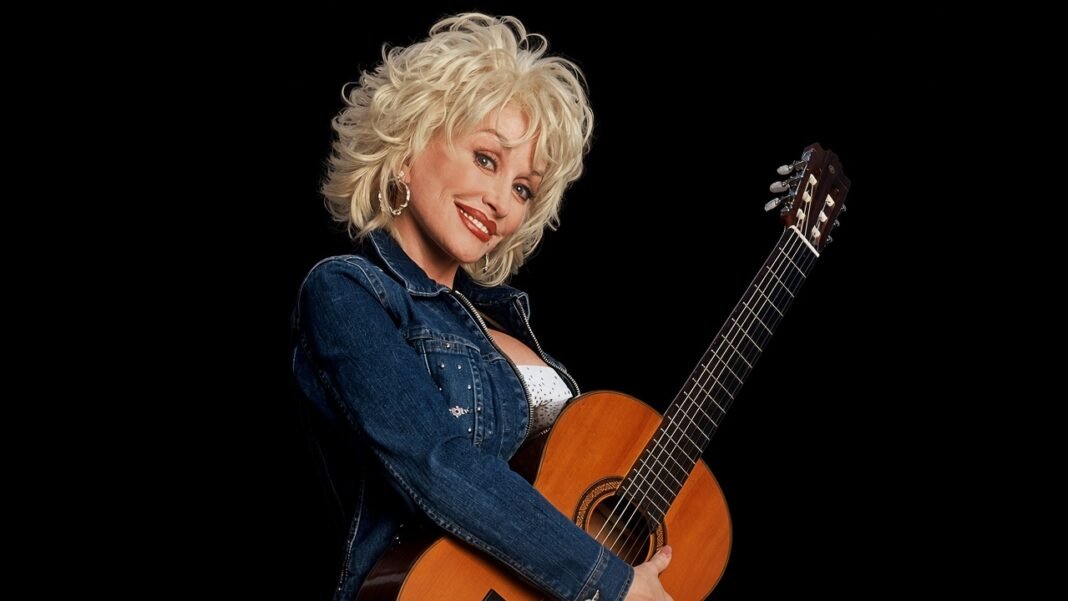
Dolly Parton’s Early Life, Family and Childhood
Dolly Parton was born Dolly Rebecca Parton on January 19, 1946, in the Pittman Center area of Tennessee. She grew up in the mountains of East Tennessee in a large family where money was limited but family, music, and faith were important parts of everyday life.
Long before she became one of America’s most famous entertainers, Dolly Parton was a young girl growing up in a simple home surrounded by the Smoky Mountains. Her childhood was very different from the life she would have later, but those early years stayed with her and influenced the person she became.
Growing Up in a Large Family
Dolly Parton was one of 12 children born to Robert Lee Parton and Avie Lee Parton. Her father, known as Lee, worked hard to support the family. He worked as a sharecropper, later farmed tobacco, and also took construction jobs to earn extra money.
Her mother, Avie Lee, stayed busy raising the children and taking care of the home. She also played an important role in Dolly’s love of music. Avie Lee knew many old songs and ballads and often sang them at home.
Dolly Parton grew up listening to songs about family, faith, love, hardship, and everyday life. Many of the songs came from Appalachian traditions and had been passed down through generations.
Dolly Parton grew up with music all around her. She heard it at home, in church and from the people in her community.
Life on Locust Ridge
When Dolly was young, her family moved to a small farm and two-room cabin on Locust Ridge in Tennessee. The family had very little money, and life on the farm was simple.
Even though the family struggled financially, Dolly Parton later remembered many parts of her childhood with affection. The small cabin, farm, trees, and mountains became strong memories that stayed with her as she grew older.
Her childhood home also became connected to her music. The memories of the area later helped inspire her song “My Tennessee Mountain Home.” Dolly Parton eventually bought back the family farm after it had been sold. A replica of the family cabin was later displayed at Dollywood.
Growing Up Poor
Poverty was a real part of Dolly’s childhood. With 12 children in the family, providing enough for everyone was not easy. Her father worked hard, while the family learned to make the most of what they had.
Dolly Parton did not try to hide those difficult memories. Instead, she later used them in her songwriting.
Her song “Coat of Many Colors” was inspired by her childhood and the simple clothing her family could afford. Another song, “In the Good Old Days (When Times Were Bad),” also reflected the family’s financial struggles.
Those early experiences became part of the simple, personal way she later wrote her songs. Dolly Parton could take a personal childhood memory and turn it into something people across America could understand.
Church and Music
Church was another important part of Dolly’s childhood. Her family attended the Church of God, where her grandfather, Jake Robert Owens, was a preacher.
Dolly Parton began performing in church when she was only six years old. These early performances gave her a chance to become comfortable singing in front of other people.
At home and at church, she heard gospel music, folk songs, old ballads, and mountain music. These different sounds became part of her early musical world.
Her childhood also taught her that a song could tell a story. That idea became an important part of her work as a songwriter.
Learning Guitar
Dolly’s interest in music grew quickly. At seven years old, she began playing a homemade guitar. When she was eight, her uncle gave her first real guitar.
She continued developing her skills through practice, family influence, church, and listening to music around her. She also began writing songs while she was still young.
Her early experiences helped shape the simple and personal style that later became one of her greatest strengths as a songwriter.
Leaving Tennessee for Nashville
As Dolly Parton became older, she knew she wanted music to be more than a childhood interest. She continued her education while working on her singing and songwriting.
Nashville, Tennessee, was the center of the country music business, and Dolly Parton dreamed of building a career there.
In 1964, after graduating from Sevier County High School, she went to Nashville the very next day. She arrived on a Saturday morning with a clear goal: to write and perform music.
She was still young and unknown at the time, but she already knew what she wanted. She loved music, enjoyed writing songs and was ready to take a chance on herself.
How Childhood Shaped Dolly Parton
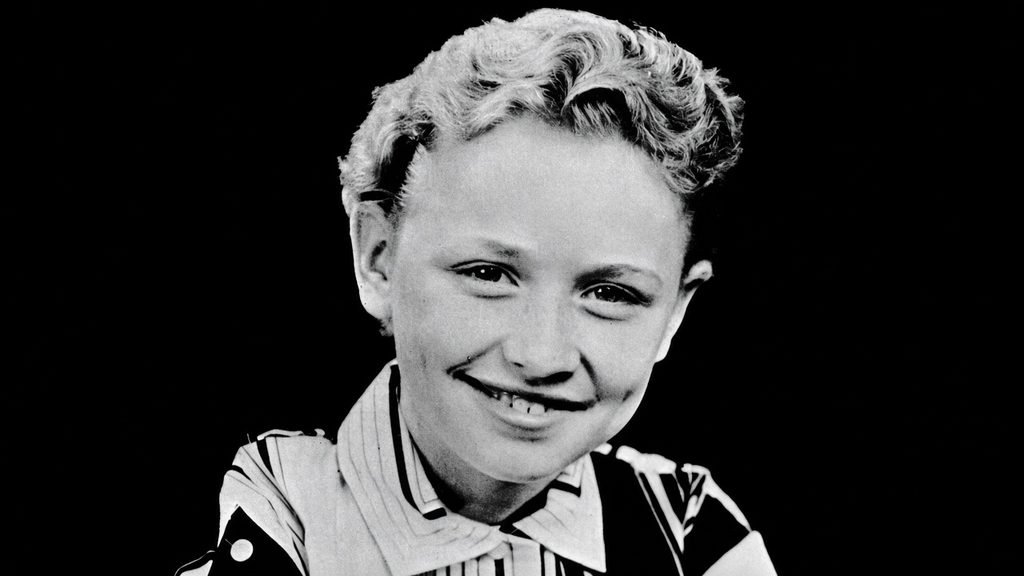
Dolly Parton’s early life became an important foundation for her career. Growing up in a large family taught her about hard work and making the most of what she had. Her mother’s singing introduced her to music and storytelling, while church gave her early opportunities to perform.
The mountains and family farm gave her memories that later appeared in her songs. Even the financial struggles of her childhood became stories she could share through music.
When Dolly left East Tennessee for Nashville in 1964, she was carrying more than a guitar and a dream. She was also carrying the memories, songs, and experiences of the family and community that shaped her.
Those early years would remain a lasting part of Dolly Parton’s story.
Becoming a Country Music Star
Moving to Nashville in 1964 changed the direction of Dolly’s life. She was young, but she already had a clear dream. She wanted to write songs, sing, and build a career in country music.
Dolly Parton was not completely new to performing when she arrived in Nashville. As a child, she had already appeared on local radio and television programs in East Tennessee. Those early experiences helped her learn how to perform in front of people and gave her confidence as she began looking for bigger opportunities.
Early Performances and the Grand Ole Opry
Dolly Parton started performing publicly while she was still a child. By the age of 10, she had appeared on The Cas Walker Show, a radio and television program connected with Knoxville, Tennessee.
Those early shows gave Dolly Parton valuable experience performing in front of an audience. But singing was not her only goal. She also wanted to become a songwriter.
At just 13, Dolly Parton reached another important milestone when she appeared at the Grand Ole Opry. The famous country music stage gave the young performer an opportunity to meet people from the professional music world.
During this early Opry appearance, Dolly Parton met Johnny Cash. He encouraged her to trust her own instincts and follow her own path. Dolly carried that advice with her as she started making her own decisions about her career.
Moving to Nashville
After graduating from Sevier County High School in 1964, Dolly Parton moved to Nashville the very next day. She was ready to work and begin building her career.
One of her first important steps was becoming a professional songwriter. She signed with Combine Publishing, giving her an opportunity to work within Nashville’s music business.
Her uncle Bill Owens also became an important songwriting partner. They worked together on songs that were later recorded by other country performers.
In 1966, two songs they worked on, “Put It Off Until Tomorrow” and “The Company You Keep,” became Top 10 country hits for Bill Phillips. Dolly also wrote “Fuel to the Flame,” which was recorded by Skeeter Davis and became a successful country hit.
When other singers began recording her songs, Dolly Parton started getting more attention as a songwriter. It also proved that she had more to offer than just her voice.
Her First Recording Deal
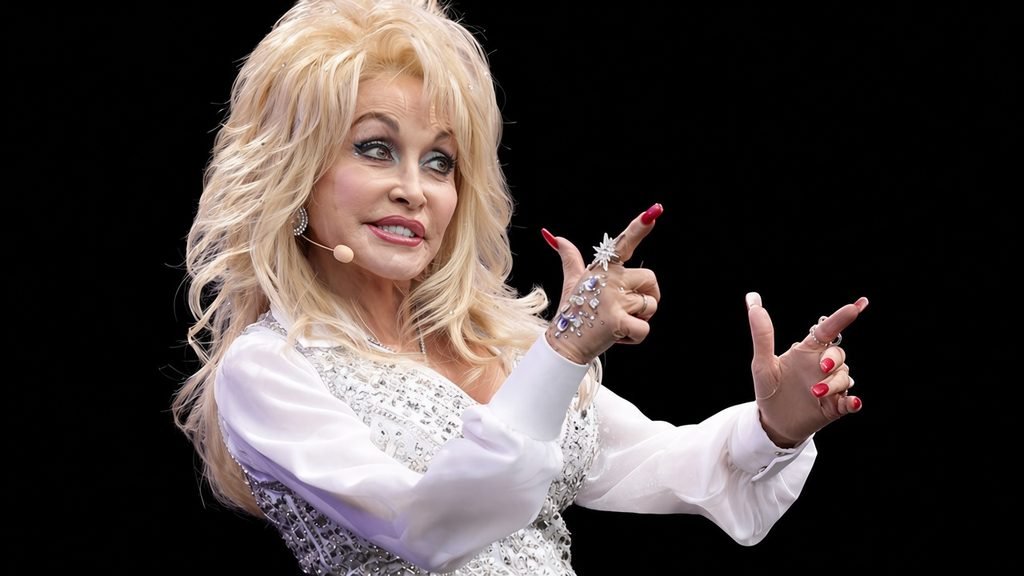
Dolly Parton signed with Monument Records in 1965 when she was 19. At first, the label wanted to present her as a pop artist rather than a country singer.
Dolly Parton had a different idea. She wanted to make country music.
Her unusual, high soprano voice made the label unsure about how she would fit into country music. She released several singles, but they did not bring major success.
Things began to change when Bill Phillips recorded “Put It Off Until Tomorrow.” The song reached No. 6 on the country chart in 1966, helping Monument Records see more potential in Dolly’s country sound.
Her first country single, “Dumb Blonde,” was released in 1967 and reached No. 24 on the country chart. “Something Fishy” followed and reached No. 17.
Both songs appeared on her first album, Hello, I’m Dolly. She was slowly becoming known not just as a songwriter, but as a singer with a career of her own.
The Porter Wagoner Show
A major opportunity came in 1967 when Porter Wagoner invited Dolly Parton to join The Porter Wagoner Show. The nationally syndicated television program gave her access to a much larger audience.
At first, some viewers were unhappy because Dolly Parton had replaced Norma Jean, whom they had been used to seeing on the show. Dolly had to earn their support.
With help from Porter Wagoner, she eventually won over the audience. Their partnership became an important part of her early career.
Wagoner also helped Dolly secure a recording contract with RCA Victor. The label initially focused on a duet between Dolly and Wagoner.
Their version of Tom Paxton’s “The Last Thing on My Mind” became a country Top 10 hit in early 1968. Their success continued, and in the same year, the Country Music Association named them Vocal Group of the Year.
Building Her Solo Career
While Dolly was successful with Wagoner, she wanted to become known as a solo artist too. Her first solo RCA Victor single, “Just Because I’m a Woman,” reached No. 17 on the country chart in 1968.
Her solo records did not immediately match the success of her duets with Wagoner. Still, Dolly Parton continued working toward her own career.
In 1970, she recorded Jimmie Rodgers’ “Mule Skinner Blues,” which reached No. 3 on the country chart. Then, in February 1971, “Joshua” became her first No. 1 solo country single.
Her songwriting remained a major part of her success. “Coat of Many Colors,” released in 1971, reached No. 4 and became one of her best-known songs.
“Jolene” and Independence
In late 1973, Dolly released “Jolene.” The song became a huge success, reaching No. 1 on the country chart in February 1974 and later finding an audience beyond country music.
Soon after, Dolly’s regular partnership with Porter Wagoner came to an end. She stopped appearing on The Porter Wagoner Show in mid-1974.
During this period, Dolly Parton wrote “I Will Always Love You” about their professional separation. Instead of focusing on anger, the song expressed appreciation and the need to move forward. It reached No. 1 on the country chart in 1974.
By the middle of the 1970s, Dolly Parton had established herself as a successful solo country artist. The young performer from East Tennessee had become one of Nashville’s better-known singers and songwriters.
Music Success, Hollywood and Mainstream Fame
By the late 1970s, Dolly was becoming known for much more than country music. She was already a successful songwriter and performer, but her music was now reaching a much larger audience across the United States. At the same time, she was beginning to make a name for herself in movies and television.
One of the biggest moments in this change came with her 1977 album Here You Come Again. The album became her first to reach the Top 20 on the Billboard 200. Its title song was an even bigger success, reaching No. 3 on the Billboard Hot 100. The song also brought Dolly to people who normally did not listen to country music.
The success also brought her a major award. At the 21st GRAMMY Awards, Dolly Parton won her first GRAMMY for Best Country Vocal Performance, Female, for “Here You Come Again.” It was an important moment in a career that was quickly moving beyond the traditional country music audience.
Her audience grew even more during the 1980s. In 1980, she made her movie debut in the comedy 9 to 5, starring alongside Jane Fonda and Lily Tomlin. Dolly Parton played Doralee Rhodes, a secretary dealing with an unfair boss.
The movie became a major success, and Dolly’s performance introduced her to many people who knew little about her music. She also wrote and performed the movie’s title song, “9 to 5.” The song reached No. 1 on the Billboard Hot 100 and became one of the biggest hits of her career. It also won two GRAMMY Awards and received an Academy Award nomination for Best Original Song.
“9 to 5” was especially meaningful because it connected with the everyday experience of working people. The song captured the frustration of long hours and feeling unappreciated at work. Her music and acting both became important parts of her growing career.
Her success did not stop there. Dolly Parton continued working in both country and mainstream music. Her earlier songs, including “Jolene,” “Coat of Many Colors,” and “I Will Always Love You,” had already established her as a talented songwriter. Now songs such as “Here You Come Again” and “9 to 5” were bringing her music to an even wider audience.
Another major moment came in 1983 when Dolly recorded “Islands in the Stream” with Kenny Rogers. Written by the Bee Gees, the song became a No. 1 hit on the Billboard Hot 100. Dolly Parton and Rogers had strong musical chemistry, and the recording became one of the best-known country-pop collaborations of the era. Their friendship and professional relationship continued for many years.
Dolly also continued building her career in Hollywood. In 1982, she starred in The Best Little Whorehouse in Texas as Miss Mona. The role allowed her to combine acting with music, and her performance earned a Golden Globe nomination. The movie also featured “Hard Candy Christmas,” another well-known song connected with her career.
In 1984, Dolly Parton appeared with Sylvester Stallone in Rhinestone. The comedy centered on country music and gave Dolly another opportunity to act and perform. Although the film was not as successful as 9 to 5, it showed that acting had become a serious part of her career.
Dolly’s acting career reached another important point in 1989 with Steel Magnolias. She played Truvy Jones, a friendly beauty shop owner in a small Southern community. The movie had a strong cast, including Sally Field, Julia Roberts, Shirley MacLaine, Daryl Hannah, and Olympia Dukakis. The role allowed audiences to see a more emotional side of Dolly and helped strengthen her reputation as an actress.
Television also played an important role in Dolly’s growing fame. As her career developed, she appeared in television specials and entertainment programs. Her humor, warmth, and easygoing personality made her popular with viewers.
Dolly’s appearance also became a major part of her public image. Her big blonde hair, colorful clothes, makeup, and bright personality made her instantly recognizable. She often joked about her glamorous style while also speaking openly about growing up in a poor family in Tennessee. That combination helped people connect with her.
By the end of the 1980s, Dolly Parton had become much more than a country singer. She had successfully moved into pop music, movies, and television without losing her country roots. From Here You Come Again and “9 to 5” to her work with Kenny Rogers and her Hollywood roles, Dolly had built a career that reached millions of Americans.
Her success during these years created a strong foundation for the next chapter of her life, when she would continue expanding her work in entertainment, business, songwriting, and philanthropy.
Dolly Parton: Songwriting, Awards, Business and Dollywood
Dolly Parton is known around the world as a country music star, but her career goes far beyond singing. She is also a talented songwriter, actress, producer, businesswoman, and philanthropist. Over the years, she has built a career that connects music with entertainment, business, education, and her home region of East Tennessee.
Songwriting has always been an important part of Dolly’s life. She started writing songs when she was very young and has said that she began writing seriously when she was about seven years old. Her songs often come from simple experiences involving family, love, childhood, poverty, work, faith, and heartbreak. Her writing is easy to understand, but the emotions behind the stories can be very powerful.
Some of her best-known songs came from personal experiences. “I Will Always Love You” was written about her professional separation from Porter Wagoner. Instead of turning the situation into an angry goodbye, Dolly Parton wrote about love, appreciation, and moving forward. The song became a No. 1 country hit for her in 1974. She recorded it again in 1982 for The Best Little Whorehouse in Texas, and that version also reached No. 1 on the country chart.
Another famous song is “Jolene.” The song tells the story of a woman who is afraid of losing the man she loves to another woman. The story is simple, but the feelings of fear, love, jealousy, and vulnerability make the song memorable.
Dolly also used her childhood memories in “Coat of Many Colors.” The song tells the story of a coat made from pieces of fabric. Her family did not have much money, but Dolly saw the coat as a symbol of her mother’s love. Instead of focusing only on poverty, she turned the experience into a meaningful story.
Her songwriting also reached everyday working Americans through “9 to 5.” Dolly Parton wrote the song for the 1980 movie of the same name. It became a major hit and reached No. 1 on the Billboard Hot 100. The song also earned two GRAMMY Awards and an Academy Award nomination for Best Original Song.
Dolly’s long career has brought her many major honors. She has earned 11 GRAMMY Awards and 55 GRAMMY nominations, including the GRAMMY Lifetime Achievement Award in 2011. In 1978, she won the Country Music Association’s Entertainer of the Year award. She was inducted into the Nashville Songwriters Hall of Fame in 1986 and the Songwriters Hall of Fame in 2001.
In 1999, Dolly Parton was inducted into the Country Music Hall of Fame. In 2022, she also became a member of the Rock & Roll Hall of Fame, showing how her influence had grown beyond country music.
Dolly’s business career is another major part of her success. One of her most famous projects is Dollywood in Pigeon Forge, Tennessee. The park became a major entertainment destination in the Smoky Mountains and an important part of the local economy. It offers rides, entertainment, food, crafts, and seasonal events while also reflecting Dolly’s connection to East Tennessee.
Her charitable work is closely connected to her business success. The Dollywood Foundation, established in 1988, first focused on education for children in Sevier County, Tennessee. The foundation later became widely known for Dolly Parton’s Imagination Library, a program created in 1995 in honor of her father, who never learned to read or write. The program provides books to young children through participating local communities.
Dolly Parton has also worked in food, hospitality, and entertainment. Her partnership with Duncan Hines brought her name and Southern cooking influence into grocery stores. She also became involved in television production. In 2019, she produced and starred in Dolly Parton’s Heartstrings, a Netflix anthology series based on her songs. In 2020, she produced and starred in Dolly Parton’s Christmas on the Square, which later won a Primetime Emmy Award for Outstanding Television Movie.
Many of Dolly’s business projects also have a connection to her own life. Dollywood reflects the East Tennessee mountains where she grew up. The Imagination Library connects with her father’s experience with literacy. Her food projects reflect her Southern roots, while her production work connects with the music she has written.
“Dolly’s career has always been about more than her hit songs. She became a respected songwriter, successful recording artist, actress, producer, entrepreneur, and philanthropist. Her work has reached music, entertainment, tourism, education, and business across the United States.
Even after becoming famous, Dolly Parton kept a close connection to East Tennessee and the experiences of her childhood. Her songwriting gave her a voice, her music built her career, and her business and charitable work helped extend that career far beyond the stage.
Dolly Parton: Philanthropy, Music and Her Later Career
Dolly Parton’s career continued to grow even as she entered the later years of her life. She remained active in music, television, entertainment and charity work. During the 2020s, she continued finding new ways to connect with American audiences while also supporting causes that were close to her heart.
One of the most important parts of Dolly’s later career has been her work with children and literacy through the Dolly Parton’s Imagination Library. The program began in Tennessee and grew into a major early-literacy effort. It provides free books to young children through participating communities.
Dolly created the program because she wanted children to have the chance to enjoy books from an early age. The idea was also connected to her family. Her father never learned to read or write, and Dolly Parton wanted to honor him by helping children gain access to books and education.
The Imagination Library remained an important part of Dolly’s work throughout the 2020s. For families, the program offered something simple but meaningful: children could receive books without their parents having to pay for them.
Dolly During the COVID-19 Pandemic
The COVID-19 pandemic changed daily life across the United States in 2020. With many families staying home, Dolly Parton found a simple way to help children through her Imagination Library.
She launched “Goodnight With Dolly,” an online series where she read children’s books aloud. The videos gave children a chance to listen to stories while spending more time at home with their families.
The series included books such as The Little Engine That Could, Coat of Many Colors and Llama Llama Red Pajama. It was different from her usual work, but it gave families another way to enjoy Dolly’s storytelling.
Dolly also became part of the popular Dolly Parton Challenge on social media in 2020. The trend showed how a person might present themselves differently on LinkedIn, Facebook, Instagram and dating apps. Dolly joined in with her own photos, creating a lighthearted moment that connected her with younger internet users.
New Music and Younger Artists
Dolly continued releasing music during the 2020s. In 2020, she released A Holly Dolly Christmas, a holiday album featuring Christmas songs and collaborations with other performers. CBS also aired A Holly Dolly Christmas as a television special in December of that year.
She continued working with artists from different generations. In 2021, she recorded “Does He Love You” with Reba McEntire.
Her connection with younger artists was also important. Dolly’s relationship with Miley Cyrus is especially well known. Miley is Dolly’s goddaughter, and the two have performed and worked together on different music and television projects.
Dolly also worked with Pentatonix on a version of her famous song “Jolene.” The collaboration introduced the classic song to another audience and showed how Dolly’s music could fit naturally into a modern musical style.
Rockstar and New Musical Directions
In 2023, Dolly released Rockstar, one of the biggest projects of her later career. The album came after her 2022 induction into the Rock & Roll Hall of Fame and gave her a chance to explore rock music.
The album featured many major artists, including Paul McCartney, Ringo Starr, Elton John, Sting, Debbie Harry and Miley Cyrus. Dolly recorded well-known rock songs along with new material.
After so many years in country music, Dolly was still ready to try something new. Rockstar also reached major chart positions in both the United States and the United Kingdom.
Dolly’s music continued reaching younger listeners in 2024 when Beyoncé included her influence in Cowboy Carter and recorded her own version of “Jolene.” Dolly welcomed the project and praised Beyoncé’s talent.
In 2025, Dolly also worked with Sabrina Carpenter on a new version of “Please Please Please.” The collaboration brought Dolly’s voice and personality to another generation of pop listeners.
The Loss of Carl Dean
2025 was also a difficult year for Dolly personally. Her husband, Carl Dean, died in March 2025 at age 82. The couple had been married for nearly 60 years.
Carl was known for keeping away from the public spotlight. Dolly respected his private nature and rarely shared much about their personal life.
After his death, Dolly turned to music to express her feelings. She released “If You Hadn’t Been There” in March 2025 as a tribute to Carl. The song reflected on the life they shared and became a deeply personal part of her later career.
Dolly also planned a six-date Las Vegas residency at Caesars Palace in 2025. The shows were scheduled for December, but health challenges later led to the performances being postponed and eventually canceled in 2026.
Even with those changes, Dolly’s later career remained active and meaningful. She continued making music, supporting children, working with younger artists and creating new entertainment projects.
Dolly’s story began in a small Tennessee community and grew into a career built around music, family, hard work and storytelling. Those same values continued to appear in her work during the 2020–2025 period.
Dolly Parton in 2026: Her Final Years and Lasting Legacy
Dolly Parton died on August 25, 2026, after a career that lasted more than six decades. Her music and other work will remain part of her legacy. She was 80 years old when she died in Nashville, Tennessee, following a brief battle with cancer.
For many Americans, Dolly was known for much more than her country music. She was a songwriter, actress, businesswoman, philanthropist, and one of the most recognizable figures in American entertainment.
Dolly Parton’s 80th Birthday
Dolly celebrated her 80th birthday on January 19, 2026. Reaching 80 was an important moment for an artist who had spent most of her life in the public eye.
She grew up in a large family in East Tennessee, where money was often tight. Music was part of her childhood from an early age, and she eventually moved to Nashville to pursue it as a career.
By the time she reached 80, her songs had become part of American music history. Her best-known songs include “Jolene,” “9 to 5,” “Coat of Many Colors,” and “I Will Always Love You.”
Her Connection to Dollywood
Dolly’s name was closely connected with East Tennessee through Dollywood in Pigeon Forge. The theme park became one of the biggest parts of her business career and reflected her love for the Smoky Mountains and the community where she grew up.
For visitors, Dollywood became a place for rides, shows, food, music, and family entertainment. For Dolly, it was also a way to keep her Tennessee roots alive.
Dolly’s connection to the area was personal as well as professional. She often spoke about her childhood and the family and community that shaped her.
Her Final Months
Dolly continued working during the early part of 2026, even as she faced health problems. Her health affected some of her plans, including a Las Vegas residency that was canceled in May.
She still had projects she wanted to complete. A Broadway musical about her life was also moving forward.
Her final public appearance came in June at the opening of a themed truck stop in Tennessee. It became one of the last public moments fans saw her.
Dolly Parton’s Death
Dolly died on August 25, 2026, in Nashville at age 80. Her representatives confirmed that she had been facing a brief battle with cancer.
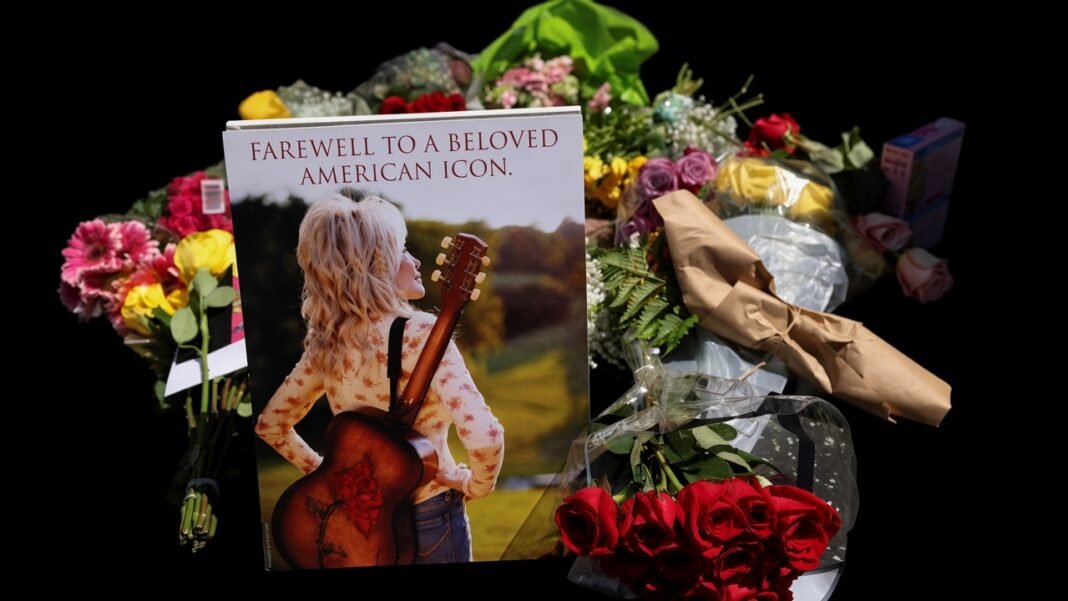
Her death brought an immediate wave of tributes from musicians, actors, public figures, and fans. People remembered different sides of her career. Country music fans knew her for her songs, movie fans remembered films such as 9 to 5 and Steel Magnolias, while many families knew her through Dollywood and her work with children.
Dolly was laid to rest in a private family funeral in Nashville on August 28. She was buried beside her husband, Carl Dean, who died in 2025.
Her Music Will Live On
Her music will probably remain one of the biggest parts of what people remember about Dolly.
She wrote songs about love, family, hard work, heartbreak, poverty, hope, and everyday life. People still relate to those themes, even many years after the songs were released.
Her music also reached far beyond country music. Artists from different generations and musical styles recorded her songs, helping introduce her work to new audiences.
“I Will Always Love You,” for example, became famous around the world through Whitney Houston’s version. “Jolene” has also been recorded and performed by many artists.
Her Work Beyond Music
Dolly’s impact reached far beyond singing and songwriting. She acted in major movies, worked in television, built businesses, and helped create Dollywood.
Her charitable work was another major part of her life. Through the Imagination Library, she helped provide books to children. The program grew into a large literacy effort serving children in several countries.
She also supported medical research and other charitable causes. In 2020, she donated $1 million to COVID-19 research at Vanderbilt University, helping support work connected to vaccine development.
A Legacy for Future Generations
Her influence is likely to continue for years to come. Younger artists, including Miley Cyrus and others, helped keep her music familiar to new generations.
Her Broadway musical, DOLLY: A True Original Musical, is also expected to continue. The production is scheduled to begin previews in New York in December 2026, with its official opening planned for January 19, 2027.
Dolly Parton came from a small Tennessee community and built one of the most remarkable careers in American entertainment. She became a country music legend, a Hollywood star, a successful businesswoman, and a major philanthropist.
Her songs will continue to be played, Dollywood will continue welcoming visitors, and her literacy work will continue helping children.
Dolly is gone, but her songs, stories and charitable work will remain part of the legacy she leaves behind.


[…] Dolly Parton Biography: Music, Movies, Career and Legacy […]